
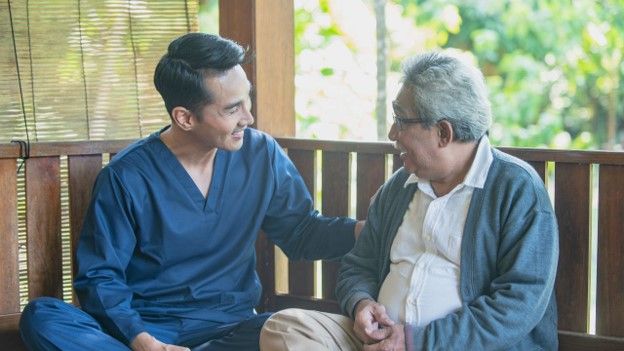
Being a caregiver to an adult with a disability, chronic illness, or age-related needs is not just about patience and good intentions. This could involve tasks such as care, moving around, supervision, cooking, helping with chores, and keeping the person company. There are practical considerations to consider for each task, especially if someone has limited mobility and/or often requires assistance.
Families can receive the training they need to carry out such tasks safely and in a way that upholds the dignity and independence of the person. When families are considering Adult Foster Care in Worcester, it's crucial to grasp the significance of caregiver training when selecting the right home-based care.
Why Caregiver Training is Important in Adult Foster Care
Living with the person who needs care, family members often assume the role of caregivers because they are familiar with the person. While people may feel comfortable because they're familiar with that arrangement, it does not mean that they are ready for the practical requirements. Assistance with bathing, dressing, moving, eating, or keeping the person supervised involves being aware of their strengths and needs.
Brockton Adult Foster Care offers training and continual learning to assist caregivers in building the skills required to do their jobs. Registered nurses and case managers are also available to provide professional support to the program. The combination allows caregivers to receive guidance beyond the initial training and offers a framework for providing daily care.
Training supports Safer Personal Care
Personal care is an important part of Adult Foster Care. It can range from support in activities of daily living such as bathing, dressing, grooming, mobility, toileting, to others.
These activities should be undertaken with care. Awareness of balance, positioning, private space, and the person's participation is needed to safely help people move to and from bathing. Training can help caregivers learn how to work with the person to provide the help that is needed without stripping away independent living when it is not needed.
Brockton Adult Foster Care offers one-on-one care to seniors according to their needs. The aim is to provide practical help with everyday living and to enable the individual adult to carry out these activities in their familiar home setting, with dignity and as far as possible independent of others.
Training Helps Caregivers Follow Individual Care Plans
No one has a one-size-fits-all care regime. An adult might need a lot of help with personal care, or a little help with reminders or household activities.
Personalized care planning is part of the Adult Foster Care services provided at Brockton Adult Foster Care. Registered nurses manage individual needs, case managers provide support, coordinate resources, and assist caregivers in navigating the care arrangement.
Caregiver skills would be more helpful if they are aware of how these skills relate to the person's care plan. Caregivers do not have to assume what the person needs; instead, they can use a systematic process appropriate to that person's situation.
Medication Support is a Matter of Oversight
For an adult, medication may be a key component of their everyday life. Medication-related care is provided under the direction of a professional and is a part of the services Brockton Adult Foster Care offers. Caregivers can also be responsible for giving medication reminders, depending on the care arrangement.
Training enables the caregiver to be aware of his or her duties and the significance of adhering to the care plan. It also emphasizes a key boundary: caregivers must not share concerns about medication without going through the proper professional channels or alter the medications as prescribed.
This expert monitoring provides an extra element of safety. Practical responsibilities are taken by caregivers, with nurses and other qualified professionals remaining involved in the supervision of the person's care needs.
Professional Support Enhances Caregiver Training
Ongoing training is not a one-time activity and not an expectation that a caregiver will be able to handle all situations afterwards. As circumstances change, questions inevitably occur as care needs change.
Brockton Adult Foster Care offers continuous care by registered nurses and case managers. By participating regularly with professionals, caregivers can get guidance and resolve concerns when they arise. In addition, the program has a 24-hour service for emergency needs.
That connection matters. When a caregiver has access to professional guidance, their response to changes will be more confident, rather than attempting to problem-solve in unfamiliar situations without help.
Training is Supported in Everyday Household Activities
Personal care and mobility are not the only part of Adult Foster Care. Caregivers, depending on individual needs, can help with meals, shopping, laundry, household tasks, transport, company and supervision.
These activities must also be integrated into the person's care needs and daily routine. A good caregiver is aware of when they need to be directly involved and when their role is to support participation and maintain independence.
Brockton Adult Foster Care incorporates these types of everyday support in their home-based services with the goal of assisting qualifying adults in a familiar environment.
Ongoing Learning Assists Caregivers to Adapt
Caregiving needs do not necessarily stay the same. Eventually, the adult may need extra support for mobility, personal care, supervision, or other activities of daily living. Ongoing education helps ensure caregivers' readiness as needs change.
Brockton Adult Foster Care provides ongoing training for paid caregivers and opportunities for ongoing learning. That sustained strategy is based on a fundamental truth: caring skills can be taught, learnt, and supported by other professionals.
The program also offers financial compensation and continuous support for the caregiver, so there's a better plan in place for the caregiver and the person taking care of them.
Conclusion
Practical curriculum is the basis for successful Adult Foster Care training for caregivers. It enables workers to work with a greater awareness of personal care, domestic duties, supervision, and daily activities, and to ensure that the care provided for people with a disability is rooted in ensuring their safety, dignity, and independence.
Adult Foster Care services at Brockton Adult Foster Care include training and ongoing education for caregivers, individual care plans, assistance from a registered nurse and case manager, and financial payment. Families may find that a program that offers formal family caregiver training along with continuous professional support can offer a more structured and reliable way to care for a loved one at home when they are thinking about a Paid Family Caregiver in Worcester MA
FAQs
1. Why is Caregiver Training Important in Adult Foster Care?
Caregiver training helps families provide safer, more consistent assistance while respecting the individual's dignity and independence.
2. What Does Caregiver Training Typically Cover?
Training can prepare caregivers to assist with personal care, daily routines, supervision, mobility, and other responsibilities.
3. Does Brockton Adult Foster Care Provide Ongoing Caregiver Support?
Yes, Brockton Adult Foster Care provides continuous learning opportunities along with support from registered nurses and case managers.
4. Can Family Members Receive Training to Become Caregivers?
Yes, eligible family caregivers can receive paid training and ongoing support as part of the Adult Foster Care program.
5. How Does Professional Oversight Improve Home-Based Care?
Registered nurses and case managers help monitor individual needs, support caregivers, and provide guidance when care requirements change.